
How much does drywall repair cost?
Expect a professional drywall repair to land between $200 and $950, with most published national averages sitting between $350 and $610 per job. Around here the numbers run higher: the published Baltimore average is $644 and the DC average is $635. Hole size, ceiling work and water damage move you up or down that band.
Those are market figures from the major cost guides, not our quote. For what your wall actually needs, our drywall repair page covers the service and estimates are free.
What does drywall repair cost by hole size?
Size drives everything. A nail pop is a few minutes of compound and a touch-up. A doorknob hole needs a patch, three coats and sanding. Past six inches, the repair becomes a small installation.
| Damage | Typical published range |
|---|---|
| Nail pops and dents | $10–$60 |
| Small holes under 4 inches | $20–$120 |
| Medium holes, 6 to 12 inches | $150–$300 |
| Large holes over 12 inches | $200–$400 |
| Large damage needing new drywall and framing | $500–$800+ |
| Full wall section (4x8 sheet area) | around $225 |
| Whole wall | $500–$1,600 |
Two market quirks explain why small jobs feel expensive. First, patching is priced at $50 to $80 per square foot, while hanging brand-new drywall runs only $1.50 to $4.50 per square foot. Setup and three drying cycles dominate a small patch, not material. Second, most pros carry a minimum. In the Baltimore market, guides note the first hour gets billed no matter how fast the patch goes.
The fix for both: batch your wall repairs. Five patches in one visit share one setup, one sanding day and one minimum.
Why do ceiling repairs cost more?
The published range for ceiling drywall repair is $220 to $1,500, and the premium is real. Overhead work is slower and harder on the body, it needs ladders or a lift, and gravity fights every coat of compound.
Ceilings also fail for a reason, usually water. A stain or sag means something above is leaking, and the leak gets fixed before the ceiling does, or the new patch is ruined by the next rain. That is why ceiling quotes often pair with water damage repair: find the source, dry the cavity, then rebuild. Cost guides put water-damaged drywall work at $600 to $1,550, and the drying step is most of the difference.
One Maryland-specific note from the Baltimore cost data: humid mid-Atlantic summers stretch joint-compound drying time, which adds labor hours on bigger, multi-coat patches. A patch that turns around in two visits in April can take three in August.
When should drywall be replaced instead of repaired?
The trade has a simple ladder. Under about an inch and a half, spackle handles it. From there to six inches, a mesh patch and three coats do the job. Past six inches, the standard method is to cut the damage into a clean rectangle, add wood backing, and install a new piece of drywall. At that point you are already replacing, just on a small scale.
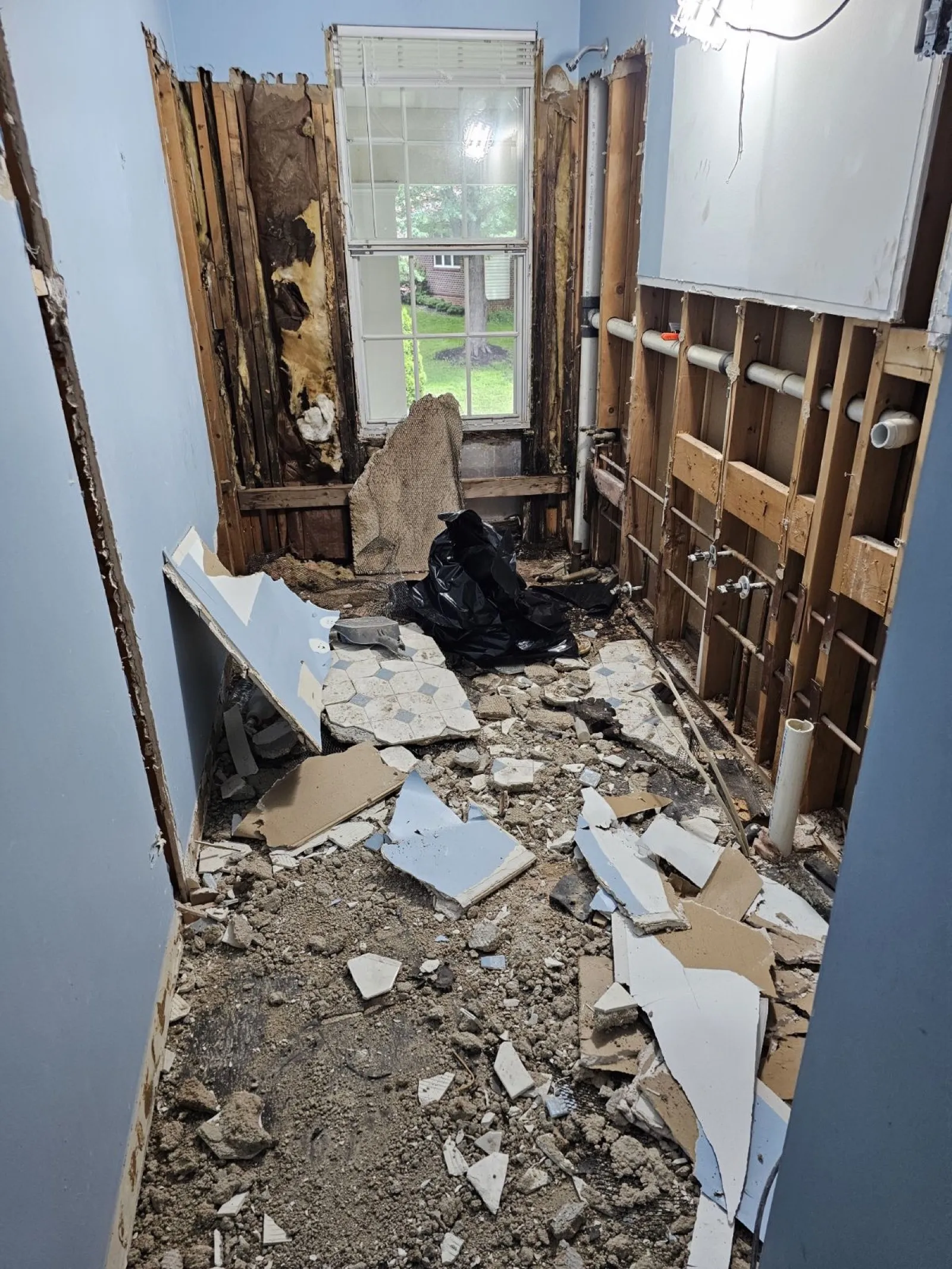
Full replacement wins in three cases: damage spanning stud to stud, drywall that took on serious water and stayed wet, and any material with mold growth on it. Wet or moldy board is not worth saving. Cutting it out costs less than fighting it.
Texture is the last cost lever. Matching orange peel or knockdown so the patch disappears runs $1 to $2 per square foot in published figures, and blending the paint afterward is its own step. It is the difference between a repair you can find and one you cannot, which is why the painting pass matters as much as the patch.
What should you do next?
Count your damage, then make one list. A single doorknob hole is a quick visit. A house with nail pops, a ceiling stain and two old patches that never got painted is still one visit, just a longer one, and the bundled price beats four separate minimums. Our Maryland handyman cost guide shows how the visit math works.
Call (877) 349-4632 with a photo of the damage and Tracy can usually give you a price range on the spot. Bigger repairs get a free written estimate. Either way you will know the number before anyone opens a wall.